Scholars’ Travels
2024 Foundation Scholars
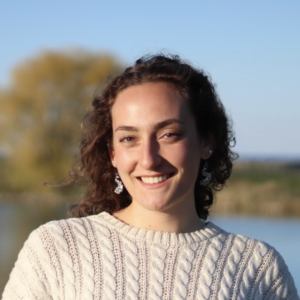
Maya Kraidy
Northwestern University
https://undergradresearch.northwestern.edu/blogs/maya/
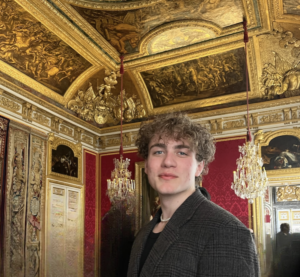
Brady Stoffregen
Georgetown University
https://substack.com/@bradysto/note/p-164258664?utm_source=notes-share-action&r=4von20
2023 Foundation Scholars
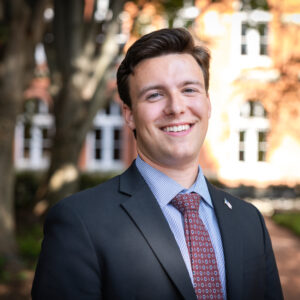
John DiPierri
Georgetown University
https://johncircumnavigates.wordpress.com/
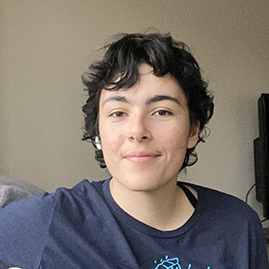
Lucia Barnum
Northwestern University
https://sites.northwestern.edu/undergrad-research/blogs/lucia/
2022 Foundation Scholars
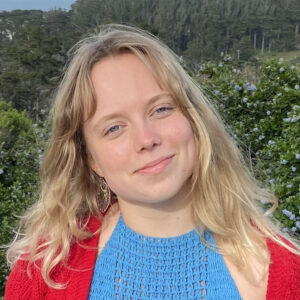
Sofia Doroshenko
Georgetown University
https://sofcircumnavigates.wordpress.com
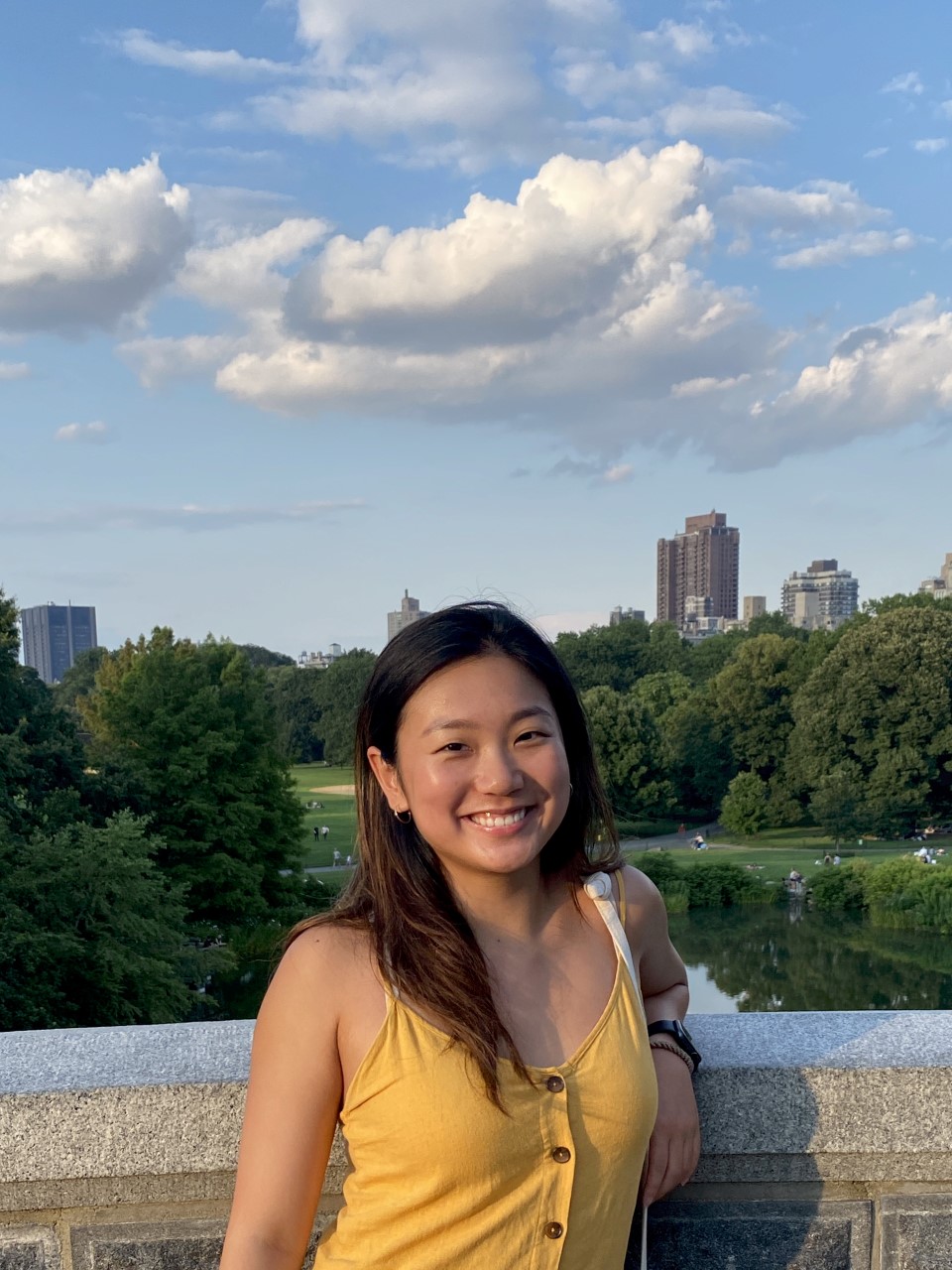
Elizabeth Hyun
Northwestern University
https://undergradresearch.northwestern.edu/blogs/elizabethh/
2021 Foundation Scholars
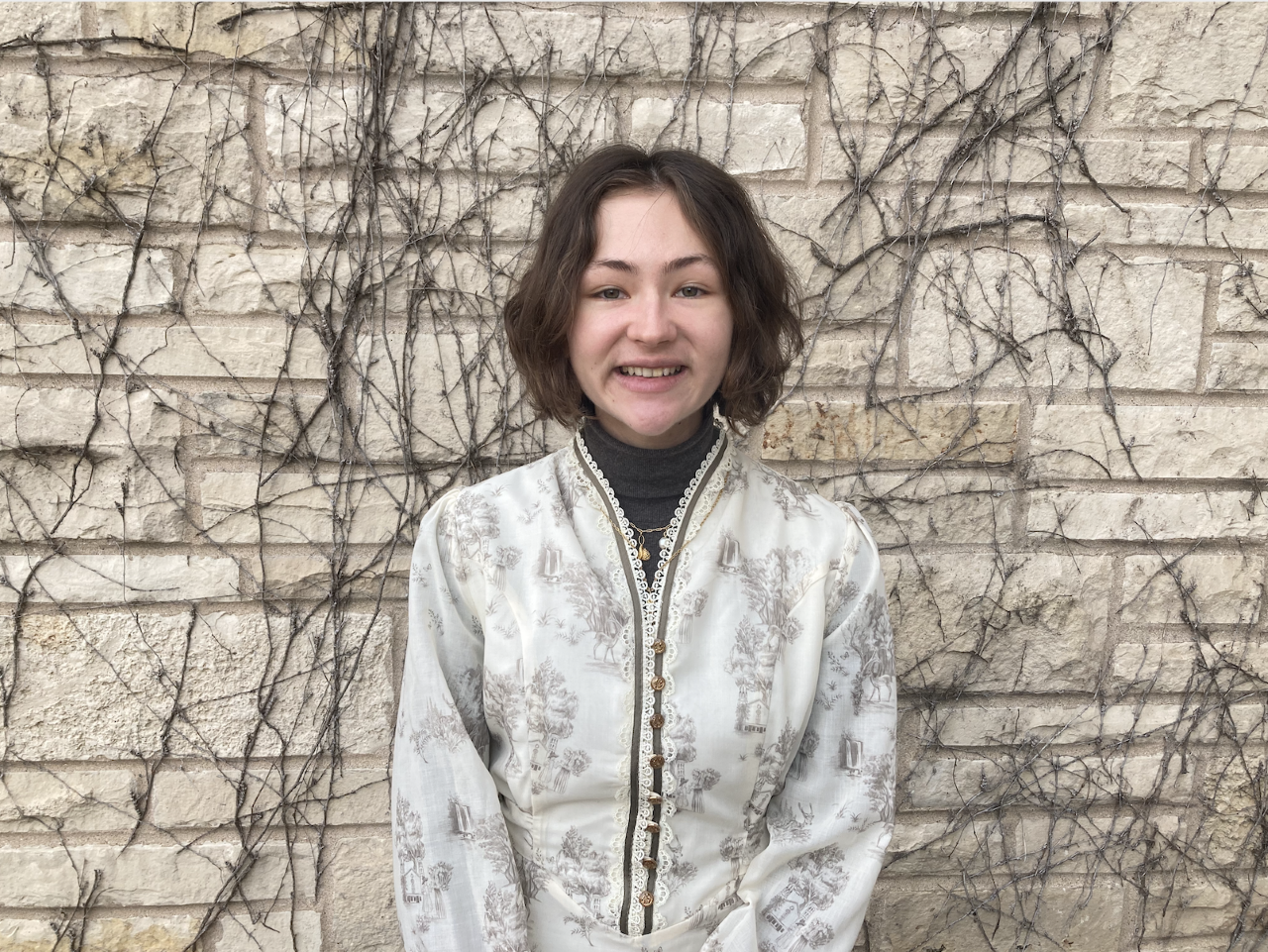
Mackenzie Gentz
https://undergradresearch.northwestern.edu/blogs/mackenziegentz/
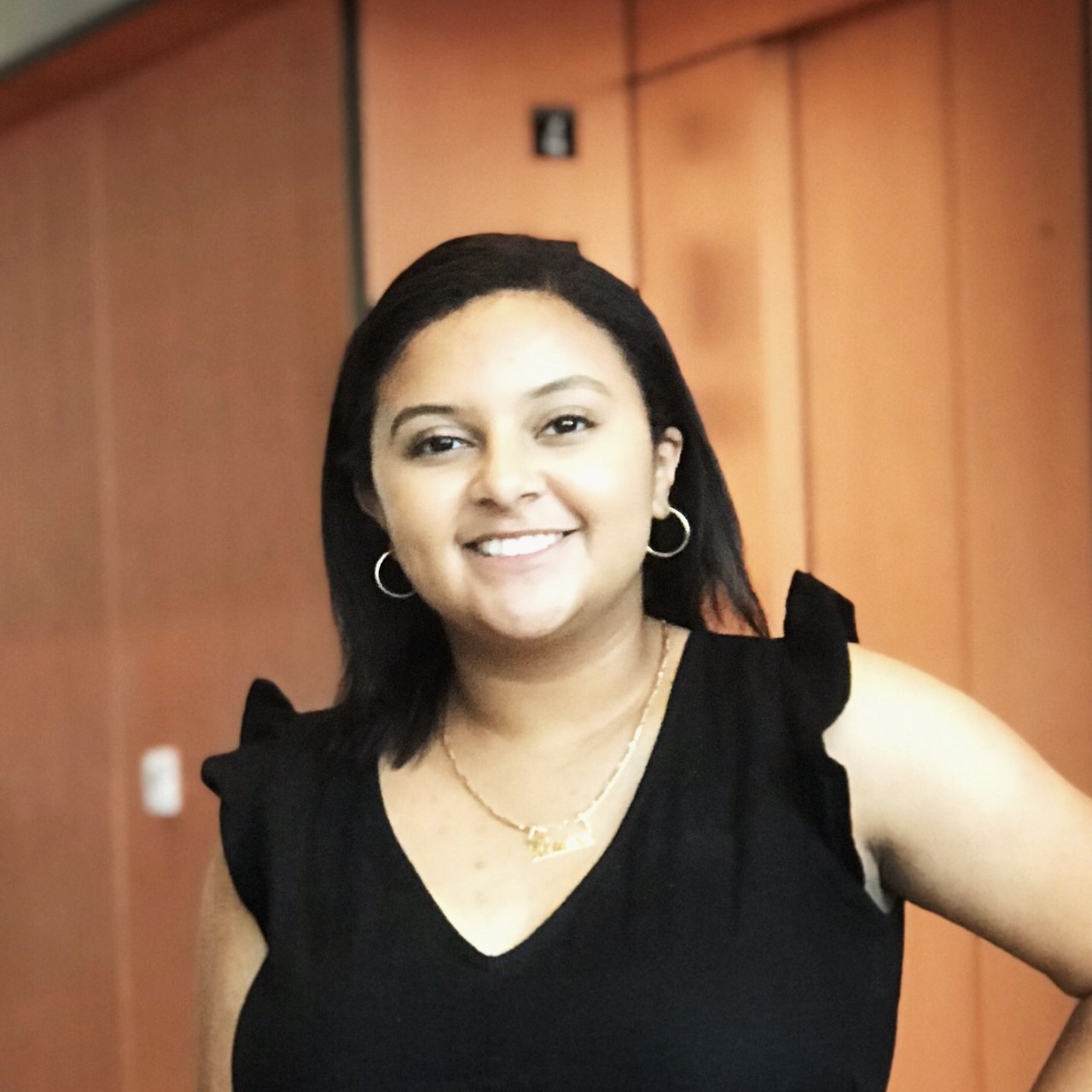
Vivica Lewis
Northwestern University
https://undergradresearch.northwestern.edu/blogs/vivica/
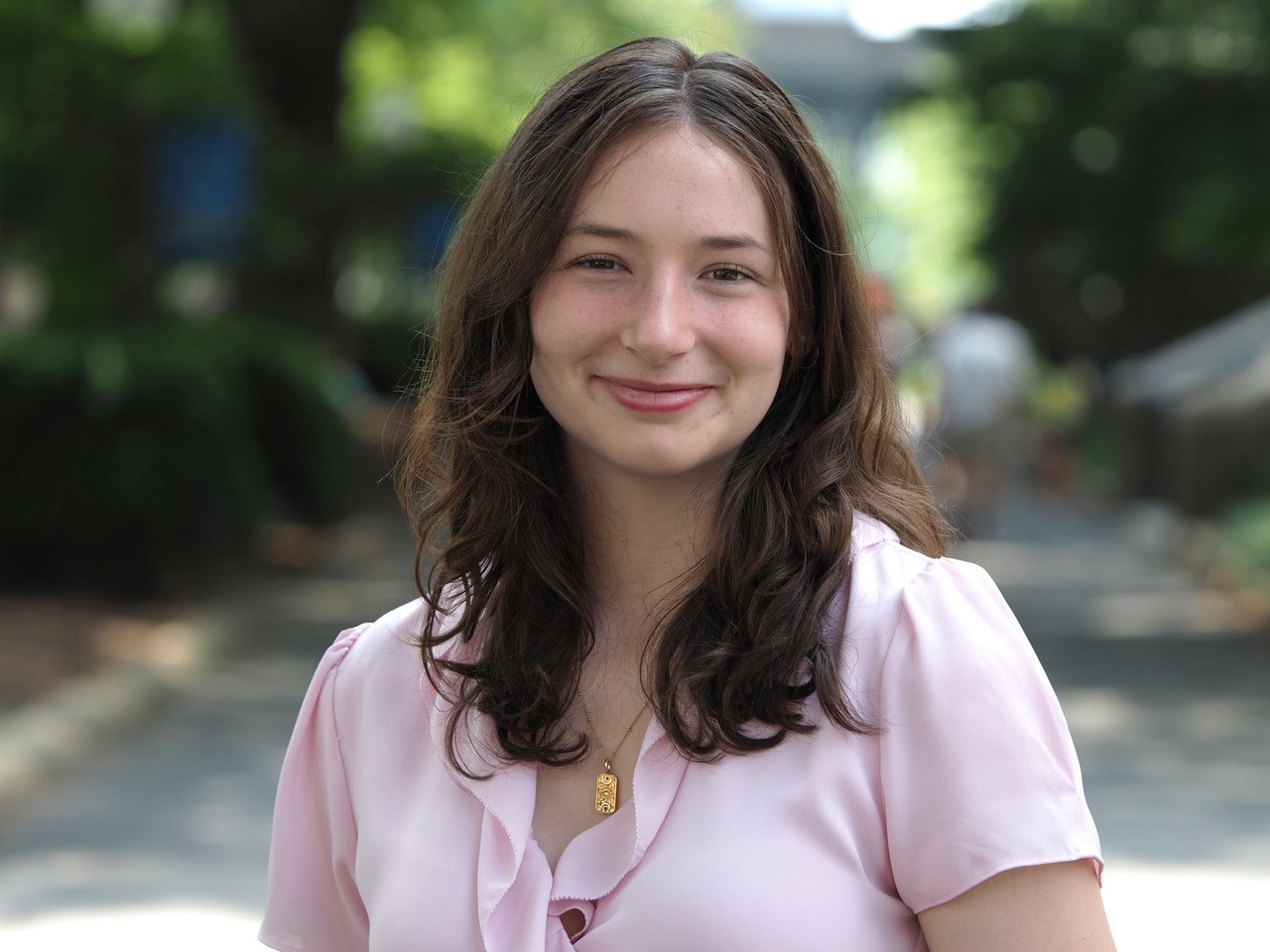
Emily Hardy
Georgetown University
https://ejfhardy.wixsite.com/website
2020 Foundation Scholars online:
-
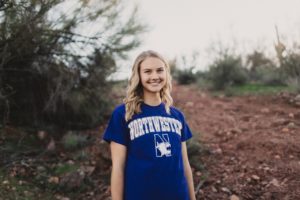
- Amanda Davis
-
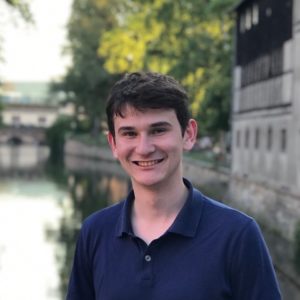
- Christopher Cassidy
Amanda Davis
Georgetown University
(Due to Covid, this grantee was not able to make their circumnavigation but plans to in the future)
Christopher Cassidy
Northwestern University
(Due to Covid, this grantee was not able to make their circumnavigation but plans to in the future)
2019 Foundation Scholars online:
-
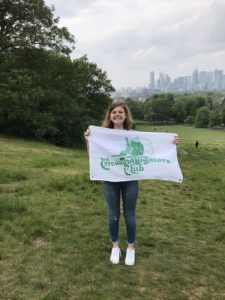
- Fiona Singer
-
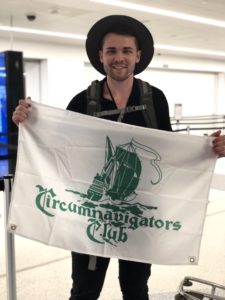
- Christopher LaMountain
Fiona Singer
Georgetown University
BLOG: https://medium.com/@fionasinger
Christopher LaMountain
Northwestern University
BLOG: https://blog.undergradresearch.northwestern.edu/blog/chris
2018 Foundation Scholars online:
-
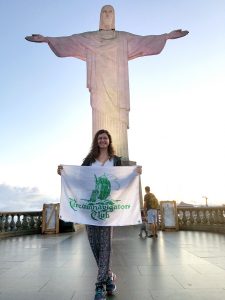
- Ann-Kathrin enjoys the serene sunset at Christ the Redeemer in Rio de Janeiro.
-
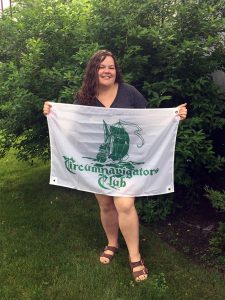
- Hannah on campus at Northwestern University getting ready to leave on her trip around the world
Ann-Kathrin Merz
Georgetown University
BLOG: https://medium.com/@merz.annkathrin
Hannah Whitehouse
Northwestern University
BLOG: http://blog.undergradresearch.northwestern.edu/blog/hannahw
2017 Foundation Scholars online:
-
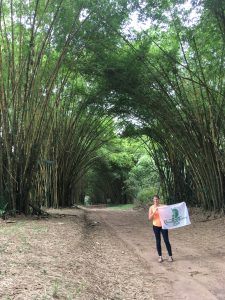
- Cassidy Gasteiger in Abidjan, Côte d’Ivoire
-
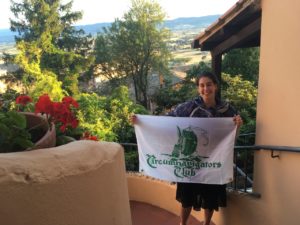
- Maryssa Pallis in Bremen, Germany
-
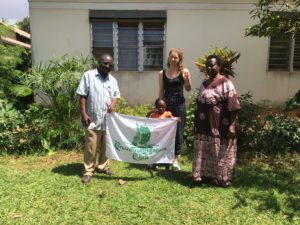
- Margot Zuckerman with her host family in Kampala, Uganda
Cassidy Gasteiger
Georgetown University
BLOG: https://statelessnessblog.wordpress.com/
Maryssa Pallis
Florida Gulf Coast University
BLOG: https://maryssatradingplaces.wordpress.com/
Margot Zuckerman
Northwestern University
BLOG: http://blog.undergradresearch.northwestern.edu/blog/margot/
2016 Foundation Scholars online:
Carlyn Harris – Arizona State University
BLOG: http://caughtthetravelbug.wordpress.com
Tara Mittelberg – Northwestern University
BLOG: http://sites.northwestern.edu/urg/blog/tara/
Ryan Sudo – Georgetown University
BLOG: http://indigenouseducation.wordpress.com
2015 Foundation Scholar Blogs:
Annie Carson – Arizona State University
summerwanderer.wordpress.com
Jonathon McBride – Northwestern University
http://blog.undergradresearch.northwestern.edu/blog/mcbride/
Kevin Dupont – Brandeis University
onetweetchangeditall.wordpress.com
Hannah Gerdes – Georgetown University
https://theinvisibleweight.wordpress.com
Gareth Evans – University of Liverpool
http://garethevansleeds.wix.com/peaceprocesses
2014 Foundation Scholar Blogs:
Melia Coury – Arizona State University
www.dancearoundtheglobe.com
Elizabeth Larsen – Northwestern University
http://blog.undergradresearch.northwestern.edu/elizabeth/
Madeline List – Brandeis University
http://thisispersonalblog.blogspot.com
Harmonie Kobanghe Langazo – Georgetown University
http://harmoniethecircumnavigator.wordpress.com/about/
Jack McCarthy – University of Liverpool
http://thelongwayaround.weebly.com/